
After a roller-coaster 7.5 years at Microsoft, I handed in my ID card and laptops few days back. Even though this moment had been brewing in my mind since long, it was still bittersweet when it finally arrived. Microsoft has been an incredible place to work, especially in terms of hybrid work and perks, which made this decision all the more difficult.
But after spending 21+ years in the software industry working at large corporate behemoths, I felt it was time for change. Time for pause, reflection and reset. I will be taking the next few months to focus on health, sleep, and personal growth, revisit long-neglected passions like writing and traveling, spend more time with family and build some cool stuff while learning new skills along the way.
Sorry for the clichéd title, yes, I’m trying to hook you in. But stick with me, because this isn’t about vague “life purpose” philosophy. I’m talking about something more practical: what actually makes people succeed in corporate careers?
Think about it. In almost every field, whether marketing, sales, finance, or software development, you’ll find that most people start strong, but many drop out along the way. Some burn out, some others stay put in middle management until retirement, some settle for “good enough” and some others simply drift. And then there are a few who keep climbing, who seem to stand out and rise above the rest.
People often assume that being an engineer in the software development fiel, I spend all my time solving the most complex and exciting problems out there. While that’s partly true, the reality is a little less glamorous.
Yes, some days are filled with creative challenges like hunting down obscure bugs, brainstorming design decisions, or debating architecture trade-offs. Those days make you glad you chose this field. But every now and then, even we engineers are subjected to the “non–grey-cell-consuming,” soul-crushing, boring, mundane tasks as well. And the irony is, you really can’t have one without the other.
Some days are just off. You find yourself wondering how to pass the time and engage in random activities. The activities themselves don’t need to have any meaning. You just do something, anything, as if your mind is stuck in a cycle of indecision and laziness. And before you know it, BAM! It’s 2 AM, and you’re still staring at your computer monitor. Where did the time go? “Ah, life sucks!” you declare, while continuing to stare, mindlessly browsing, munching on unhealthy snacks that chip away at you bit by bit. Then comes yet another resolution (in vain) to change yourself and upgrade your life first thing the next morning.
I recently attended a two-week workshop on general soft skills, cross-cultural awareness, and related subjects. Two topics really made me sit up and take notice. The others were good too, but the ones below truly caught my attention:
I won’t go into detail about what was taught during the workshop. Instead, I’ll share my own independent thoughts on these topics from my perspective.
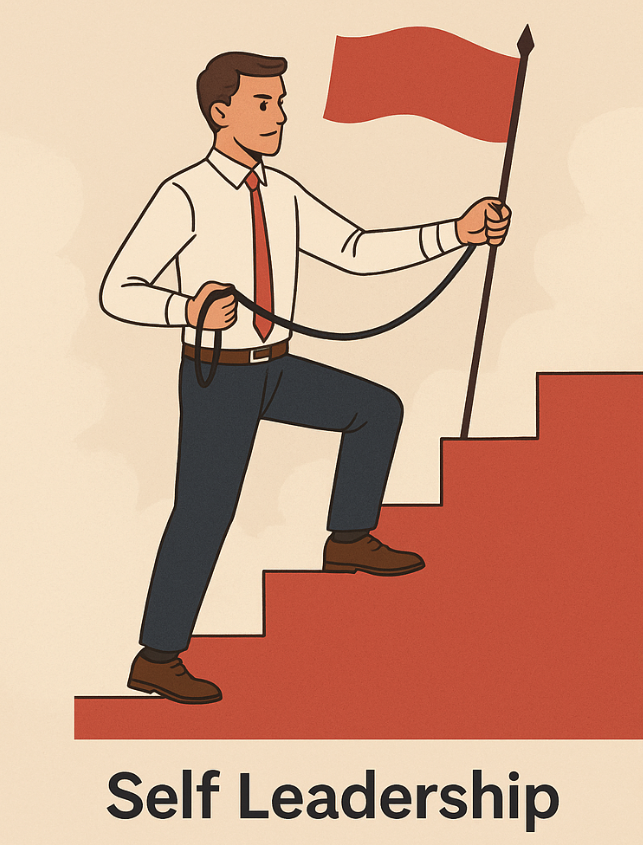 This is perhaps one of the most interesting topics I’ve come across recently. We often complain about the changes we’d like to bring into a “system” if only we had the chance. We also complain about the lack of leadership skills shown by those already in such positions.
But when you look inward, you realize something important: leadership is not easy. You realize it the hard way when you try to lead yourself into change.